
Exposé Online
What's old
Exposé print issues (1993-2011)
- 1 (October 1993)
- 2 (February 1994)
- 3 (May 1994)
- 4 (August 1994)
- 5 (October 1994)
- 6 (March 1995)
- 7 (July 1995)
- 8 (November 1995)
- 9 (March 1996)
- 10 (August 1996)
- 11 (February 1997)
- 12 (May 1997)
- 13 (October 1997)
- 14 (February 1998)
- 15 (July 1998)
- 16 (January 1999)
- 17 (April 1999)
- 18 (November 1999)
- 19 (May 2000)
- 20 (October 2000)
- 21 (March 2001)
- 22 (July 2001)
- 23 (December 2001)
- 24 (April 2002)
- 25 (September 2002)
- 26 (February 2003)
- 27 (August 2003)
- 28 (December 2003)
- 29 (April 2004)
- 30 (September 2004)
- 31 (March 2005)
- 32 (September 2005)
- 33 (May 2006)
- 34 (March 2007)
- 35 (January 2008)
- 36 (October 2008)
- 37 (July 2009)
- 38 (July 2010)
- 39 (Summer 2011)
Reviews of Interviews
Showing items 61 to 70 of 80
Trying on New Threads —
The Doane Perry Interview
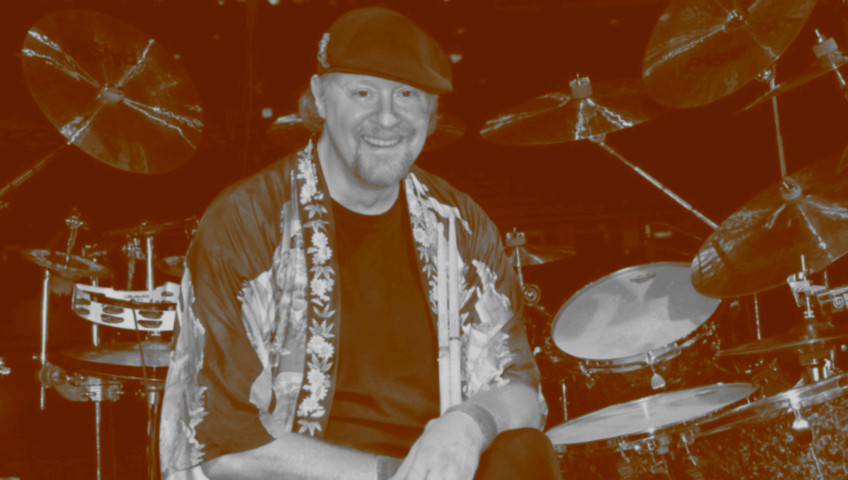 We spoke with Doane Perry, drummer for Jethro Tull, about his new project called Thread backstage at the Concord Pavilion, prior to their gig that night with ELP. We'd like to thank the following people for their involvement in setting up the interview: Mark Cella from M&M Music, and Kenny Wiley, Tull's tour manager. » Read more
 (Posted by Jeff Melton, Paul Hightower 1997-05-01)
Keeping the Man Happy —
The Happy the Man Interviews
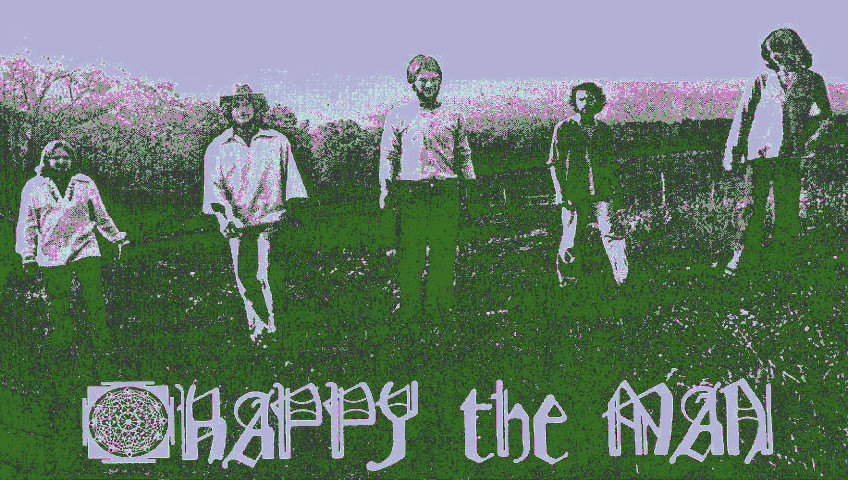 Composers of American classical music over the last century have often been criticized for their lack of originality, for borrowing too heavily from their European counterparts. People often point to Aaron Copeland as the exception to the rule. Similarly, in the 70s, American progressive rock bands were often just knock-offs of the European bands. Happy the Man are to American progressive what Copeland was to classical — a fantastic exception to the rule. » Read more
 (Posted by Dan Casey 1997-02-01)
Osiris Is Dead, Long Live Heretic —
The Heretic Interview 1997
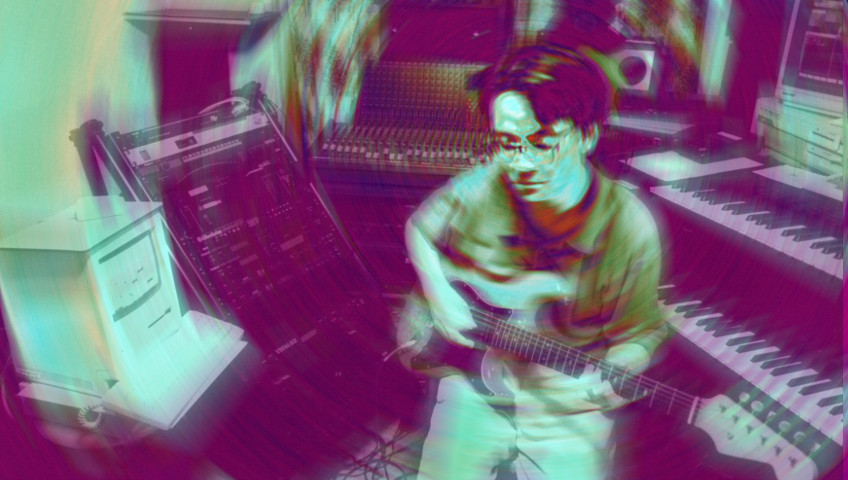 For over a decade and a half, Hiro Kawahara has been one of Japan's leading electronic-based musicians. Picking up his first guitar at the age of 13, he later taught himself keyboards. "I'm not musically trained" adds Hiro, "so I cannot make classical music." He didn't let that slow him down, as he continued to teach himself electronic music, composition, and MIDI studio techniques. » Read more
 (Posted by Peter Thelen 1997-02-01)
Riding a Runaway Freight Train —
The Boud Deun Interview
 If you haven’t heard of Boud Deun by now, then you owe it to you yourself to pick up one of their two CDs (their latest release on Cuneiform should be available by the time you read this), or better yet, catch one of their spirited live shows. Their smokin’ hot performance at Progscape ‘96 left everyone in attendance speechless and stunned. Exposé caught up with the band immediately after their set, just before they headed back to Warrenton, Virginia, which is the town they call home. » Read more
 (Posted by Peter Thelen 1997-02-01)
From Middle Earth to Perelandra—
A Profile of Glass Hammer 1996
 Two years ago, one would have been hard-pressed to find the one out of ten who had even heard of Glass Hammer, let alone actually heard their debut CD, Journey of the Dunadan. This year, with a second release, Perelandra, and solid management behind them, Glass Hammer is becoming widely known among progressive fans, and are fortifying their reputation with numerous live appearances, such as their day-two opener at Progscape in Baltimore. » Read more
 (Posted by Peter Thelen 1996-08-01)
Mallets and Gongs —
The Pierre Moerlen Interview 1996
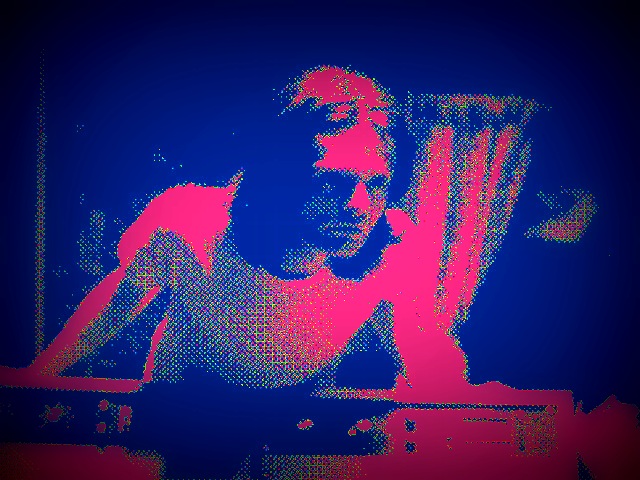 Pierre Moerlen is among the most loved, most creative members of Gong’s family tree. His flawless percussion technique and colorful compositional style led the way during Gong’s mid to late-70s period. I managed to catch him (by phone) in his Washington, DC suite. Pierre has been pursuing interesting new directions lately, and he was eager to tell me about them. Of course, he also had a fair share of old war stories to tell, from the Gong days of yore... » Read more
 (Posted by Steve Robey 1996-08-01)
No Necrophiliac Pantomime, Please —
The Pip Pyle Interview 1996
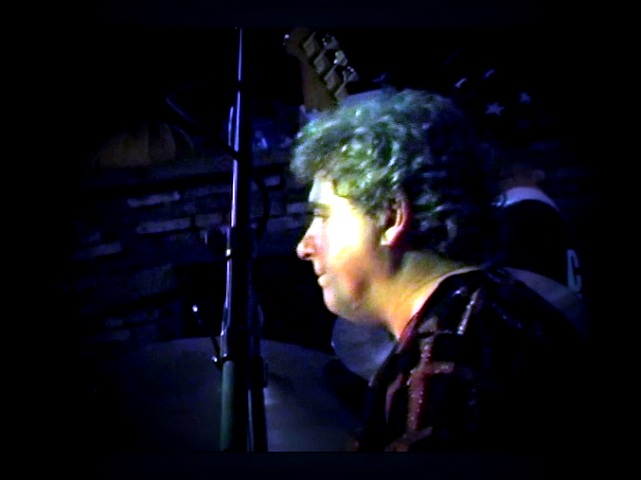 I spoke to Pip Pyle prior to his performance with Gong at the Great America Music Hall on the last part of their first US tour (March 1996). We talked inside a small deli across the street from the infamous Mitchell Brothers (which Pip seemed slightly amused about). I was accompanied by Malcolm Humes during the fifty minute conversation who helped to clarify a few key points. I picked up a spot of espresso for Pip before we started since he appeared in need of caffeine. I’d like to thank Sean Ahern of Pangea Music and Michael Clare for helping to set up the interview. » Read more
 (Posted by Jeff Melton 1996-08-01)
A Circle of Women —
A Conversation with Ars Nova 1995
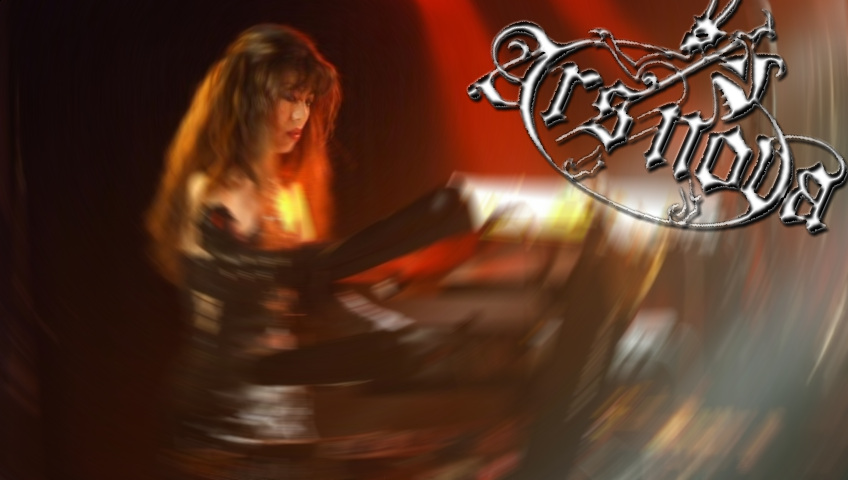 The scene: A poolside bar at the Figueroa Hotel in Los Angeles. The time: late night Saturday, or actually early morning Sunday. Earlier, Japanese trio Ars Nova had just given their debut performance in the United States as part of the first day’s lineup for Progfest ‘95. The entire band is here, as well as their manager Mr. Numero Ueno, a translator, and at various times different members of the Exposé staff and friends. All the while, fans who caught their show are stopping by to get CDs and posters signed, and a couple of side conversations are going on between Ueno and others. » Read more
 (Posted by Peter Thelen, Mike McLatchey 1996-03-01)
Words from the Surrealist —
A Chat with Wittox O'Hara
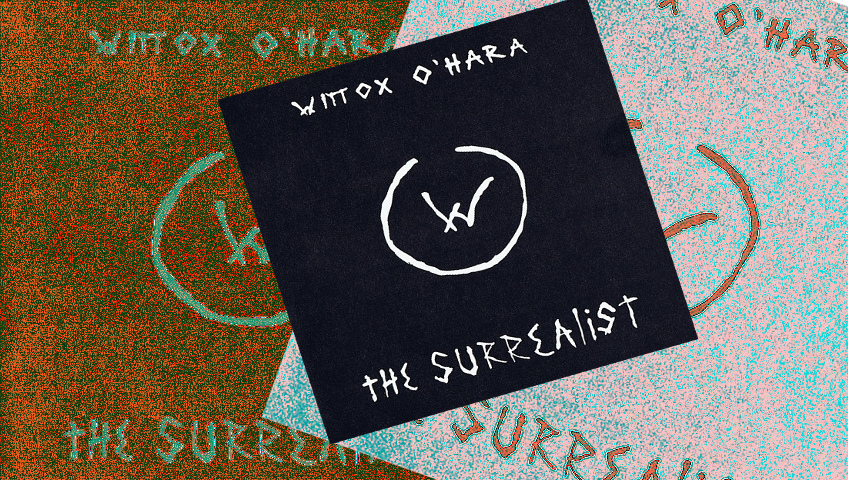 What can you do with an acoustic guitar and a drum machine? Wittox O'Hara's The Surrealist is a mystifying piece of work. Lots of xylophone-sounding timbres weaving intricate lines, much like a percussion ensemble, with plentiful of odd percussion blending in with the eclectic acoustic guitar and occasional accomplice electric guitar, shaping everything together, forming an impressionist world on its own. » Read more
 (Posted by Alain Lachapelle 1995-11-01)
Tending the Progressive Garden —
Carl Tafel and Terraced Garden
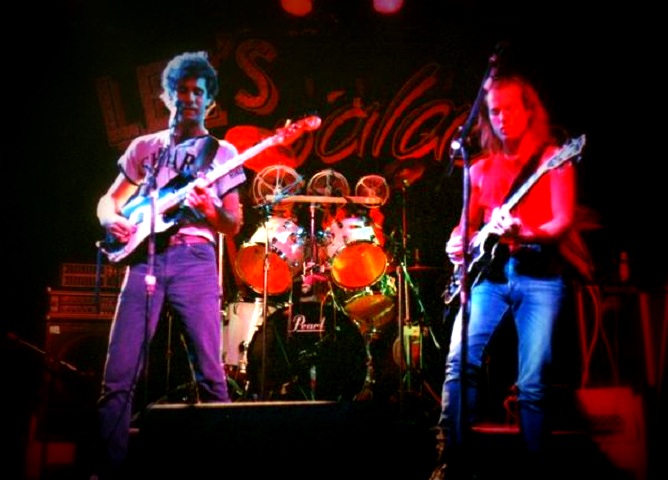 Terraced Garden began in early '81 as a solo project by Toronto-born multi-instrumentalist/composer Carl Tafel. Prior to this, he was one third of a band called Cardboard Brains, for whom he played bass and sang, a "demonically heavy" outfit by Tafel's own admission, that was "too far outside for any broad acceptance." He left the band in order to concentrate on writing, playing guitar and keyboards, and developing a more expanded sound.
The first recordings began in 1981, but the money quickly ran out. A year later, Tafel went back into the studio, and with the help of some other musicians, finished the recordings for the first album by the end of 1982, and it was finally released in January '83. » Read more
Terraced Garden began in early '81 as a solo project by Toronto-born multi-instrumentalist/composer Carl Tafel. Prior to this, he was one third of a band called Cardboard Brains, for whom he played bass and sang, a "demonically heavy" outfit by Tafel's own admission, that was "too far outside for any broad acceptance." He left the band in order to concentrate on writing, playing guitar and keyboards, and developing a more expanded sound.
The first recordings began in 1981, but the money quickly ran out. A year later, Tafel went back into the studio, and with the help of some other musicians, finished the recordings for the first album by the end of 1982, and it was finally released in January '83. » Read more (Posted by Peter Thelen 1995-11-01)
What's new
These are the most recent changes made to artists, releases, and articles.
- Review: Stick Men - Let's THRAK Again
Published 2026-10-10 - Release: The Instigations - Miscreantics
Updated 2026-10-09 00:35:34 - Review: Shane Morris - Tenochtitlan to Etzanoa
Published 2026-10-09 - Review: Malcolm Galloway - Stare
Published 2026-10-09 - Review: The Shades - Basement Sessions 1978-1980
Published 2026-10-08 - Release: Robeone - If You Don't Know What It Is, It Must Be Jazz
Updated 2026-10-07 20:15:02 - Review: Xavi Reija Electric Quintet - Nu Breed
Published 2026-10-07 - Release: 4Element - Double Life
Updated 2026-10-06 23:15:57 - Release: 4Element - Duplicity
Updated 2026-10-06 23:13:32 - Release: 4Element - Living Spirit
Updated 2026-10-06 23:12:08 - Artist: 4Element
Updated 2026-10-06 23:07:43 - Artist: Mark Mulholland
Updated 2026-10-06 13:20:08 - Review: Edena Gardens - Quintessence
Published 2026-10-06 - Review: Stratosphere - Sphere I
Published 2026-10-06 - Release: We the Gleaners - Graze
Updated 2026-10-05 13:09:19 - Release: We the Gleaners - We the Gleaners
Updated 2026-10-05 13:08:39 - Artist: We the Gleaners
Updated 2026-10-05 13:07:39 - Release: Compassionizer - The Faithful of the Land
Updated 2026-10-05 13:02:36 - Release: Mark Mulholland - Down Silver Streets
Updated 2026-10-05 12:52:27 - Artist: Down Silver Streets
Updated 2026-10-05 12:50:05
 This work
is licensed under a Creative Commons Attribution-NonCommercial-ShareAlike 3.0 Unported License.
This work
is licensed under a Creative Commons Attribution-NonCommercial-ShareAlike 3.0 Unported License.