
Exposé Online
What's old
Exposé print issues (1993-2011)
- 1 (October 1993)
- 2 (February 1994)
- 3 (May 1994)
- 4 (August 1994)
- 5 (October 1994)
- 6 (March 1995)
- 7 (July 1995)
- 8 (November 1995)
- 9 (March 1996)
- 10 (August 1996)
- 11 (February 1997)
- 12 (May 1997)
- 13 (October 1997)
- 14 (February 1998)
- 15 (July 1998)
- 16 (January 1999)
- 17 (April 1999)
- 18 (November 1999)
- 19 (May 2000)
- 20 (October 2000)
- 21 (March 2001)
- 22 (July 2001)
- 23 (December 2001)
- 24 (April 2002)
- 25 (September 2002)
- 26 (February 2003)
- 27 (August 2003)
- 28 (December 2003)
- 29 (April 2004)
- 30 (September 2004)
- 31 (March 2005)
- 32 (September 2005)
- 33 (May 2006)
- 34 (March 2007)
- 35 (January 2008)
- 36 (October 2008)
- 37 (July 2009)
- 38 (July 2010)
- 39 (Summer 2011)
Showing items 1 to 10 of 127
Sole Man —
A Profile of Kit Watkins
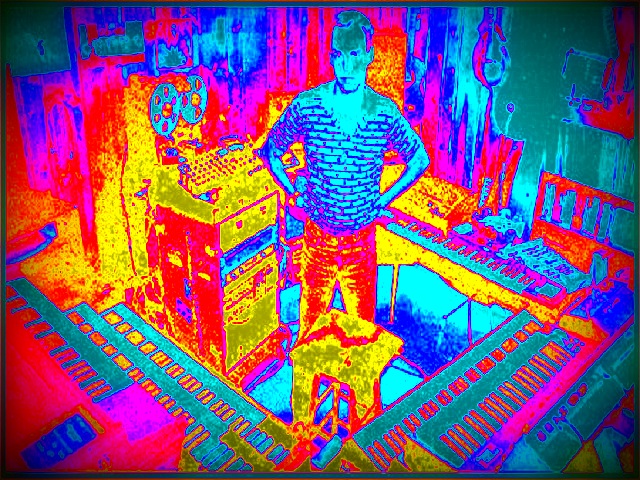 Outside the living room window of Christopher "Kit" Watkins, hummingbirds feed, framed by an expansive view of the Blue Ridge Mountains. Except for a generous sprinkling of gray in his close-cropped hair, the 42-year-old Watkins looks little different than he did 15 years ago, when he played keyboards and flute at the Cellar Door in Washington, DC with drummer Coco Roussel. The slightly built musician carries himself in a relaxed manner, plopping into an easy chair to engage in coffee and conversation. Quiet, yet animated, his eyes burn with a quiet intensity, and his face freezes into a sparkling smile when he makes a point. » Read more
 (Posted by Jim Dorsch 1996-08-01)
Thoughtful Boats and Rocky Oceans —
A Profile of the German Octopus
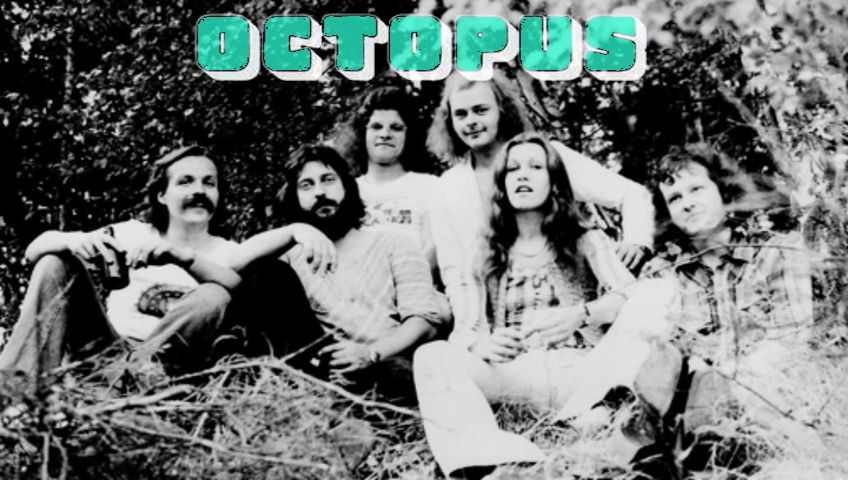 Not to be confused with the many other bands of the same name, the German Octopus was perhaps the classic Sky-label band. The band was conceived in Frankfurt, Germany in 1973 by bass player Claus Kniemeyer and guitarist Pit Hensel. Kniemeyer was playing in American G.I. clubs with a commercial rock band at the time. However, he had a desire to make a more heavily conceptual music. Upon meeting like-minded Pit Hensel, who had previously been playing jazz, Octopus was born. With powerful singer Jennifer Hensel (no relation, apparently), organist Werner Littau, and drummer Dieter Becke, they made their live debut in February 1974 at the Fachoberschule Frankfurt. » Read more
 (Posted by Mike Ohman 1996-08-01)
Returning to the Well of Creativity —
Yes Live in San Luis Obispo 1996
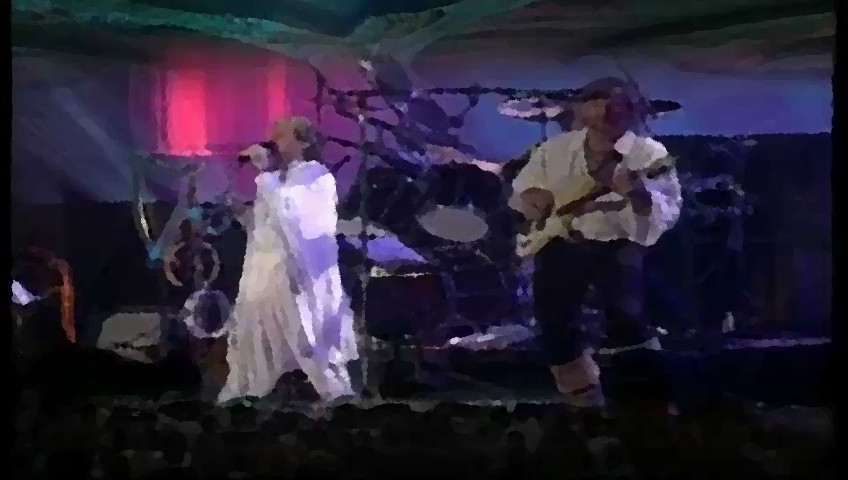 By now most of you in the progressive rock community have heard about the reunion of the classic Yes line-up. In an attempt to revitalize interest in the band, three live shows were played and recorded in San Luis Obispo in early March to a combination of die-hard fans, band family, and associates. You may ask yourself what this event has to do with the state of progressive rock in 1996. In my opinion: plenty! They came, they saw, they played complex music and it was damn good. » Read more
 (Posted by Jeff Melton 1996-08-01)
From Middle Earth to Perelandra—
A Profile of Glass Hammer 1996
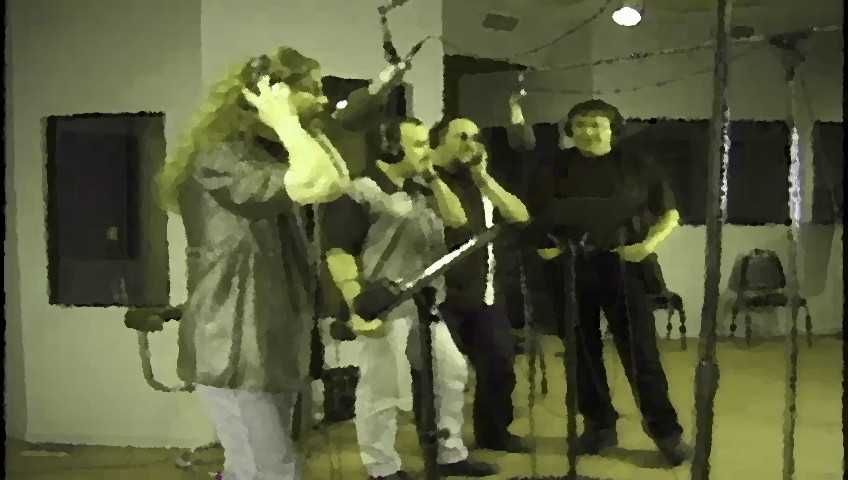 Two years ago, one would have been hard-pressed to find the one out of ten who had even heard of Glass Hammer, let alone actually heard their debut CD, Journey of the Dunadan. This year, with a second release, Perelandra, and solid management behind them, Glass Hammer is becoming widely known among progressive fans, and are fortifying their reputation with numerous live appearances, such as their day-two opener at Progscape in Baltimore. » Read more
 (Posted by Peter Thelen 1996-08-01)
A Circle of Women —
A Conversation with Ars Nova 1995
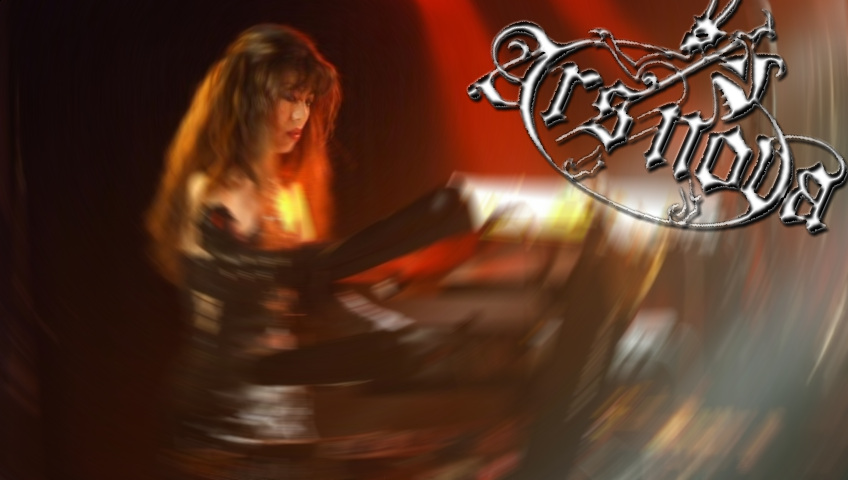 The scene: A poolside bar at the Figueroa Hotel in Los Angeles. The time: late night Saturday, or actually early morning Sunday. Earlier, Japanese trio Ars Nova had just given their debut performance in the United States as part of the first day’s lineup for Progfest ‘95. The entire band is here, as well as their manager Mr. Numero Ueno, a translator, and at various times different members of the Exposé staff and friends. All the while, fans who caught their show are stopping by to get CDs and posters signed, and a couple of side conversations are going on between Ueno and others. » Read more
 (Posted by Peter Thelen, Mike McLatchey 1996-03-01)
Lengthy Silence Punctuated By... —
A Profile of French TV 1996
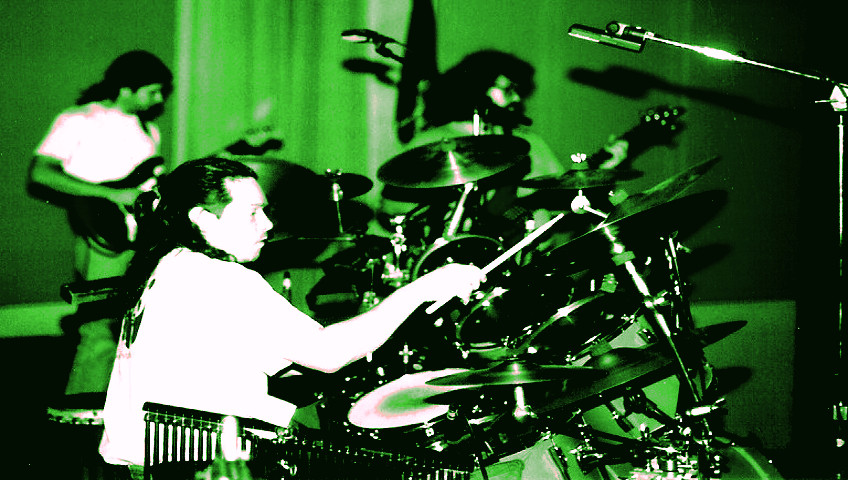 An unlikely name for a collective of progressive musicians from Louisville, Kentucky, French TV is essentially bassist / bandleader Mike Sary and whoever he happens to be working with at any given point in time. From one album to the next, the high turnover rate in the lineup may, at first lead one to believe that French TV is more of a solo project — yet considering the time elapsed between recording of the band's four releases (nearly eight years in some cases), these are only snapshots of what has been a gradual change. » Read more
 (Posted by Peter Thelen 1996-03-01)
Kenso - Overview of Pre-1996 Releases
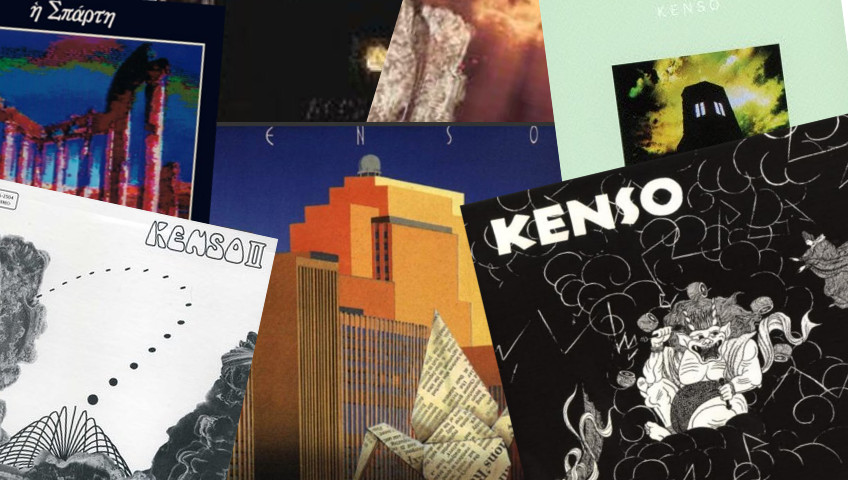 If Japan has the equivalent of a Happy the Man, Kenso is it. Their sound encompasses everything, from polished symphonic prog, to fusion, Canterbury, even touches of Japanese traditional music. The music is (with a couple of exceptions) entirely instrumental, melodically rich, highly spirited, and completely energized. They've been together since the late 70s, off and on, and the lineup has changed over time, but has always centered around guitarist Yoshihisa Shimizu. In addition to guitar, the lineup typically features dual keyboards, bass, and drums — and early on included a flautist as well. » Read more
 (Posted by Peter Thelen 1996-03-01)
A Short History of Kobaïan-Earth Relations —
Magma in the 70s
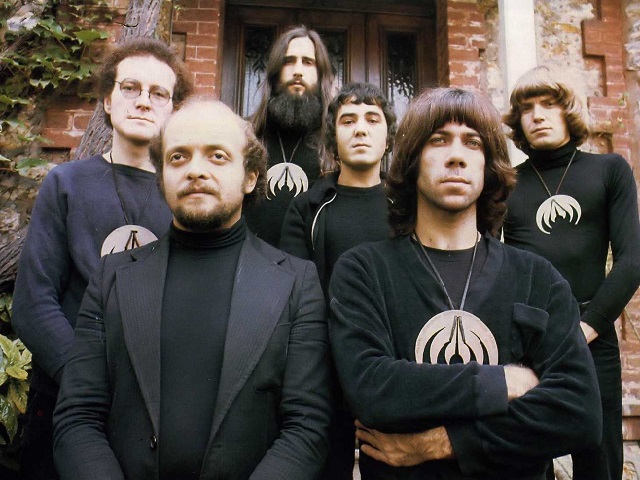 Imagine a world, many centuries into the future, when society as we know it has decayed into chaos and degradation, void of spiritual guidance. The colonization of space is well underway, and space travel has become commonplace. It is in this setting that a handful of enlightened Earth people seeking a better existence finance the construction of a private spacecraft and leave the planet in search of a new world where a new, more spiritually guided civilization can be reborn. They finally find that new home after a long and hazardous journey on the distant planet Kobaïa, where the party settles and begins anew.
» Read more
Imagine a world, many centuries into the future, when society as we know it has decayed into chaos and degradation, void of spiritual guidance. The colonization of space is well underway, and space travel has become commonplace. It is in this setting that a handful of enlightened Earth people seeking a better existence finance the construction of a private spacecraft and leave the planet in search of a new world where a new, more spiritually guided civilization can be reborn. They finally find that new home after a long and hazardous journey on the distant planet Kobaïa, where the party settles and begins anew.
» Read more (Posted by Peter Thelen 1995-11-01)
From Coltrane to Kobaïa —
The Christian Vander Interview
 The Place: The Glass Slipper, Vancouver BC
The Time: Saturday afternoon, April 22, 1995 before the Christian Vander Trio show that evening
Laurent Goldstein: Translator » Read more
(Posted by George Allen, Robert Pearson 1995-11-01)
Tending the Progressive Garden —
Carl Tafel and Terraced Garden
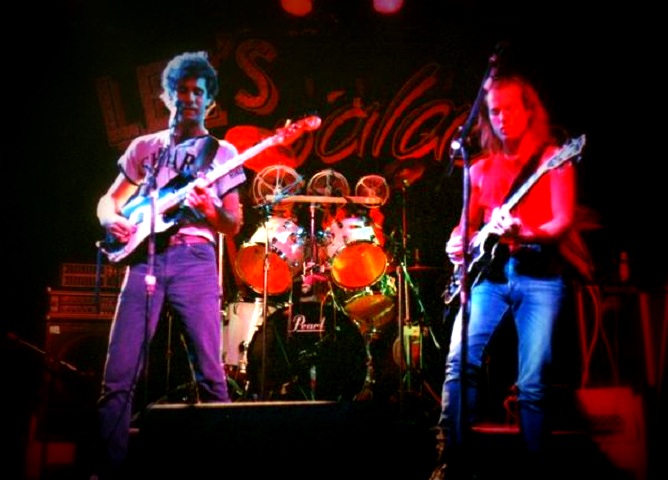 Terraced Garden began in early '81 as a solo project by Toronto-born multi-instrumentalist/composer Carl Tafel. Prior to this, he was one third of a band called Cardboard Brains, for whom he played bass and sang, a "demonically heavy" outfit by Tafel's own admission, that was "too far outside for any broad acceptance." He left the band in order to concentrate on writing, playing guitar and keyboards, and developing a more expanded sound.
The first recordings began in 1981, but the money quickly ran out. A year later, Tafel went back into the studio, and with the help of some other musicians, finished the recordings for the first album by the end of 1982, and it was finally released in January '83. » Read more
Terraced Garden began in early '81 as a solo project by Toronto-born multi-instrumentalist/composer Carl Tafel. Prior to this, he was one third of a band called Cardboard Brains, for whom he played bass and sang, a "demonically heavy" outfit by Tafel's own admission, that was "too far outside for any broad acceptance." He left the band in order to concentrate on writing, playing guitar and keyboards, and developing a more expanded sound.
The first recordings began in 1981, but the money quickly ran out. A year later, Tafel went back into the studio, and with the help of some other musicians, finished the recordings for the first album by the end of 1982, and it was finally released in January '83. » Read more (Posted by Peter Thelen 1995-11-01)
What's new
These are the most recent changes made to artists, releases, and articles.
- Review: Ruins - Cosa? (Experimental Works)
Published 2026-10-23 - Review: Refestramus - Morri's Rock Boutique
Published 2026-10-22 - Review: Peter Phippen & Eric "the" Taylor - Two by Twilight
Published 2026-10-21 - Review: Kolman & Calvert - The Pink Carnage of Cartilago
Published 2026-10-20 - Review: Brand X - Theory of Nothing
Published 2026-10-19 - Review: Jeff Greinke - Land of Ice and Fog
Published 2026-10-18 - Release: Gustavo Denouard - Escape from the Real World
Updated 2026-10-17 00:25:56 - Release: Rudy Adrian - Southern-isles-sketchbook
Updated 2026-10-17 00:22:48 - Release: Kuhn Fu - Gam Gum Sopon
Updated 2026-10-17 00:20:23 - Release: Jeff Pearce - Infinite Ambient: Autumn Light (For Harold Budd)
Updated 2026-10-17 00:17:16 - Release: Aux_Out - Theologia Signalis
Updated 2026-10-17 00:13:08 - Review: Lumsk - Einsemda
Published 2026-10-17 - Release: Satoko Fujii Orchestra Tokyo - Kappa Ondo
Updated 2026-10-16 15:10:41 - Release: Andrew Leigh - Magician
Updated 2026-10-16 15:07:16 - Artist: Andrew Leigh
Updated 2026-10-16 15:05:54 - Release: Sonar - Movements and Interludes
Updated 2026-10-16 15:01:38 - Release: Strawbs - 50 Years On - Grave New World Live
Updated 2026-10-16 14:58:14 - Release: Leagus - Ulli
Updated 2026-10-16 14:49:00 - Release: Peter Daltrey - Three Windows
Updated 2026-10-16 14:47:37 - Release: Inclusion Principle - post_[*]
Updated 2026-10-16 14:46:12
 This work
is licensed under a Creative Commons Attribution-NonCommercial-ShareAlike 3.0 Unported License.
This work
is licensed under a Creative Commons Attribution-NonCommercial-ShareAlike 3.0 Unported License.